Safety & Etiquette on the Trail
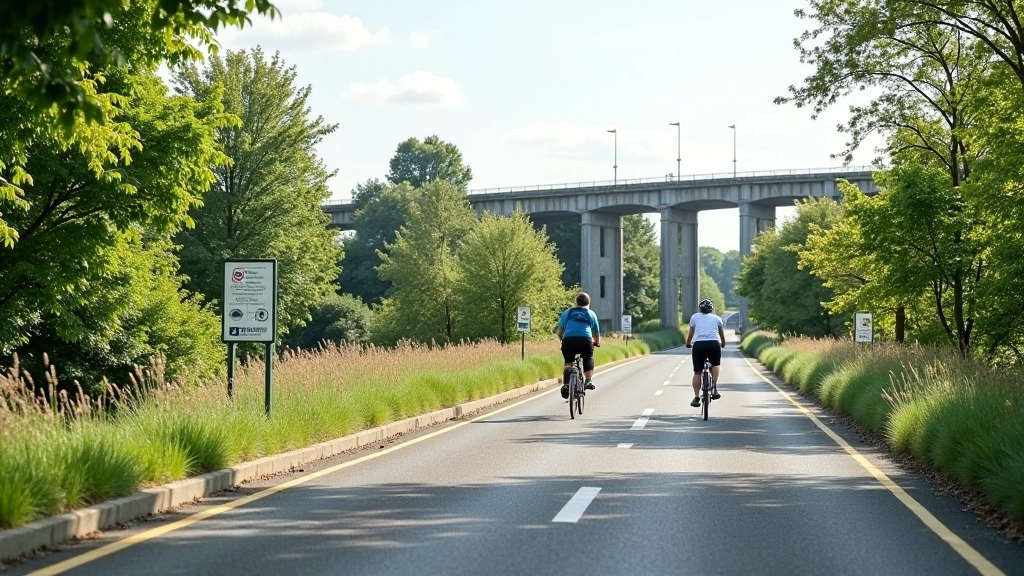
Sharing the greenway with walkers, joggers, and families. Best practices for staying safe and being a considerate rider on busy sections.
Why Trail Etiquette Matters
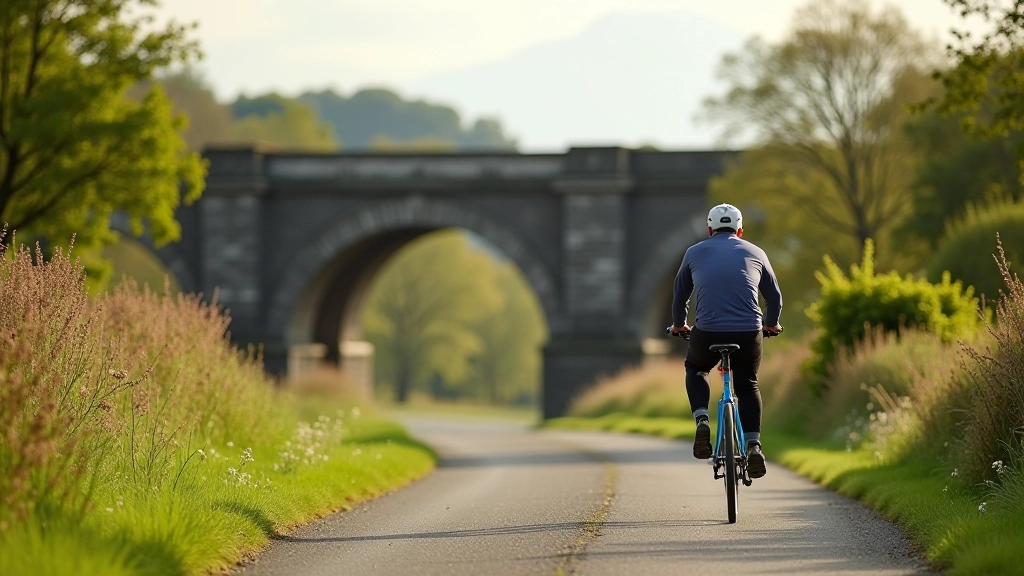
The Waterford to New Ross Greenway isn't just for cyclists. On any given day, you'll share the path with families pushing strollers, joggers, walkers with headphones in, and kids on scooters. It's what makes the trail so vibrant — but it also means everyone's got a responsibility to keep things safe and pleasant.
Most accidents happen because people aren't aware of each other. A bell that works, a bit of speed management, and letting people know you're coming goes a long way. We're not talking complicated rules here. Just practical stuff that's become second nature to experienced riders.
The Golden Rule
Assume everyone else can't see or hear you. Ride like they don't know you're there — even if you've already called out.
Essential Safety Equipment
You don't need fancy gear to ride safely. But certain things are non-negotiable if you're serious about sharing the trail responsibly.
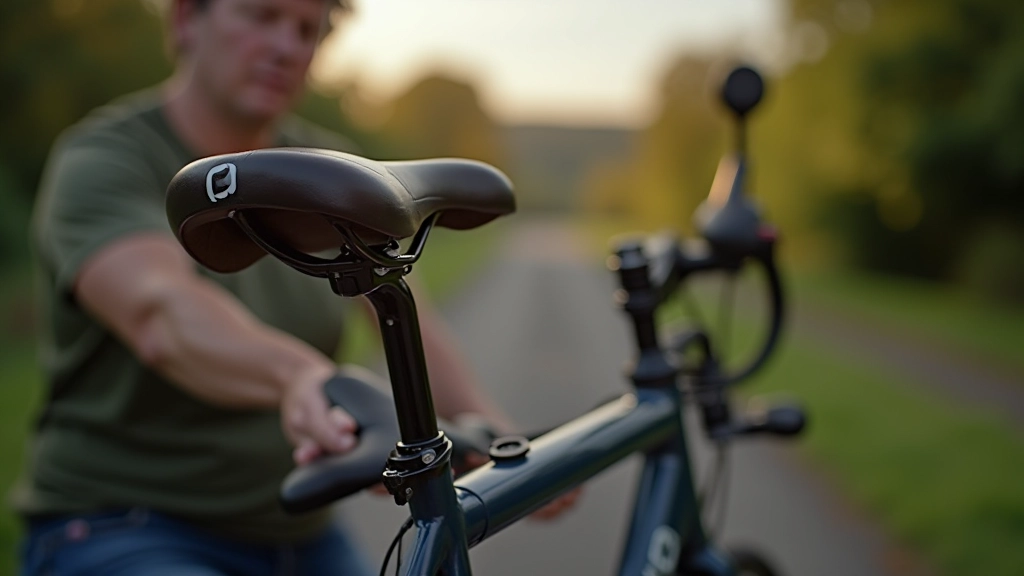
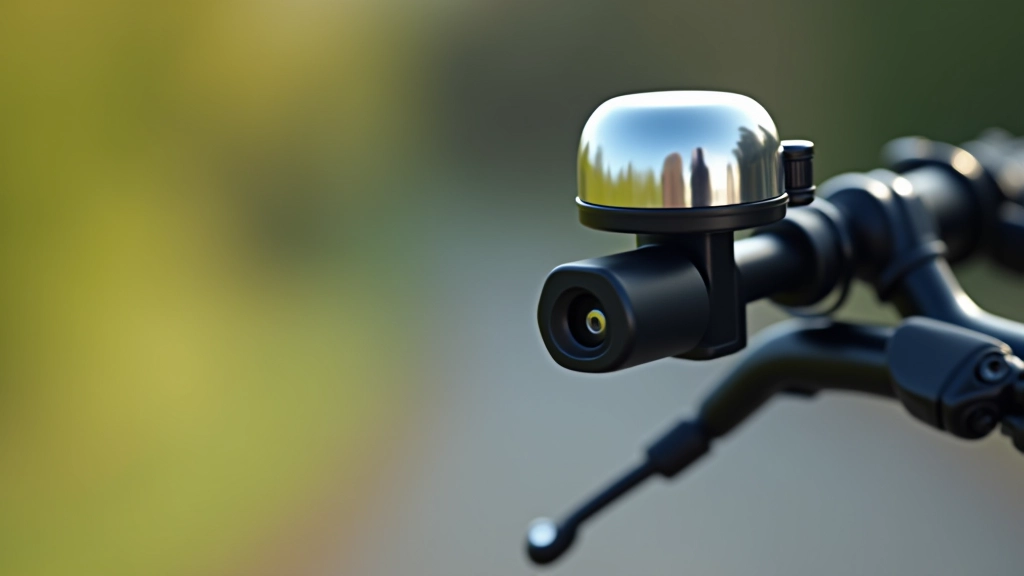
A Working Bell
Not a horn. Not a loud speaker. A proper bell. It's distinct, non-aggressive, and people recognize it immediately. Two quick rings when approaching from behind — that's the standard. Test it regularly. Bells wear out or get damaged without you noticing.
Lights (Morning & Evening)
Even if it's technically bright out, a front light and rear light make an enormous difference. Especially on overcast days or in the tree-lined sections. You're not just trying to see — you're trying to be seen. Most riders go for a white light up front and red in back. Battery-powered is fine for daytime; rechargeable is better if you ride regularly.
Brakes You Can Trust
Doesn't matter if they're rim brakes or disc brakes. They need to be responsive. If you've noticed squeaking, rubbing, or a spongy feel, get them checked. You'll be surprised how many incidents happen because someone couldn't stop quickly enough.
Reading the Trail & Adjusting Your Speed
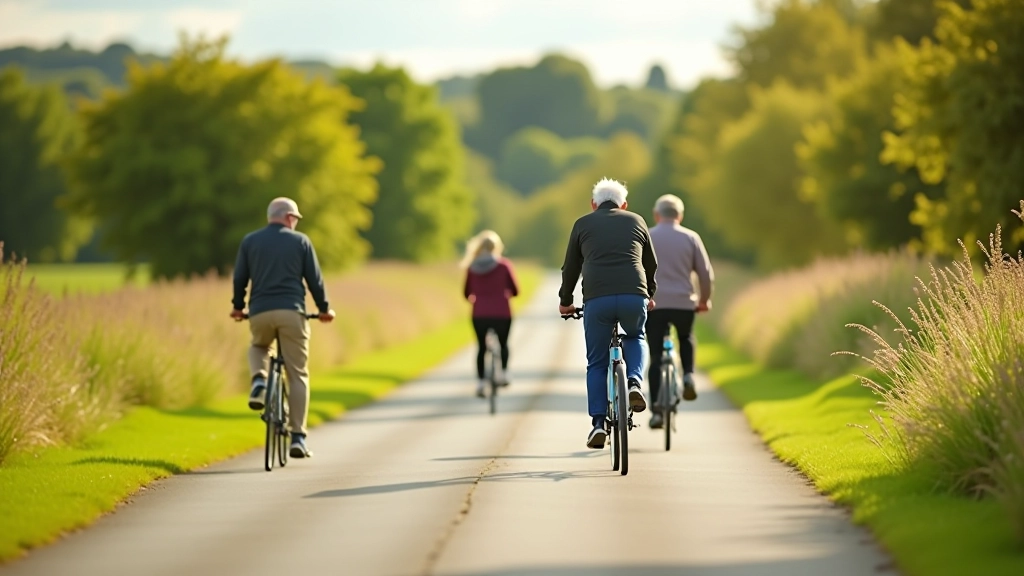
Speed management is honestly the biggest thing. It's not about how fast you can go — it's about going the right speed for conditions.
Busy sections around the Dunbrody Famine Ship or near the Waterford entrance on weekends? You're looking at 12-15 km/h. That's jogging pace. It feels slow, but you're able to react, people can hear your bell, and you can stop safely if someone steps out unexpectedly.
Early mornings or quieter stretches in the middle of the week? You've got more room. Still, don't assume the path is empty. A runner without headphones can be hard to see until you're close. Always keep something in reserve — you should never be at maximum braking effort to avoid someone.
The Two-Second Rule: If you see someone ahead, you should have at least two seconds to react and begin braking. If you're going faster than that allows, you're going too fast for that moment.
Trail Etiquette: The Unwritten Rules Everyone Appreciates
Announce Yourself Early
Ring your bell or call out "Passing left" or "Passing right" well before you're alongside someone. Don't assume they heard you. If they've got earbuds in, they probably haven't. A second ring as you're passing doesn't hurt.
Single File When Passing
If you're riding with friends, get into single file when there's foot traffic ahead. Two abreast takes up most of the path and makes it harder for people to predict what you'll do. You can chat again once you've passed.
Walk Your Bike in Crowded Spots
Around the car parks or at peak times, just walk. It's faster than stopping and starting, and people know exactly what you're doing. Five minutes of walking won't ruin your ride.
Stay to the Right
If you're riding slowly or stopped, hug the right side of the path. Let faster traffic pass on the left. It's not about speed hierarchy — it's about predictability. Everyone knows where everyone else is.
No Sudden Direction Changes
Kids are unpredictable. So are people on their phones. If you need to stop or veer left, check behind you first. A quick glance back takes a second and prevents most collisions.
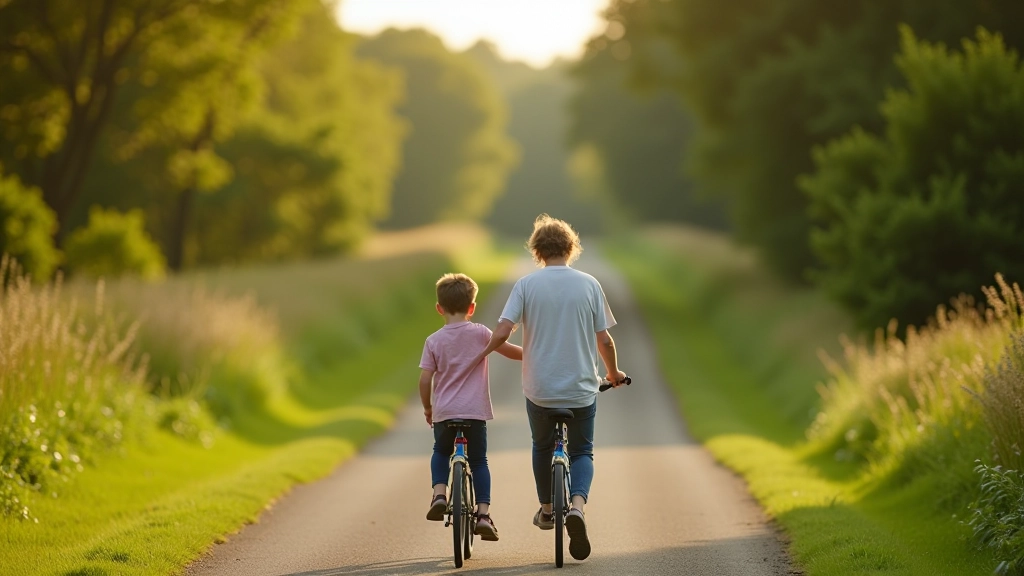
Respect Families with Children
Kids on the trail are learning too. Pass extra slowly. A child might reach toward a bird or duck without warning. Parents are usually on high alert, but your slow, announced approach makes everyone's day easier.
Weather Adjustments & Visibility Issues
Ireland's weather changes fast. Rain, wind, and low light all affect how you should ride.
Rain & Wet Surfaces
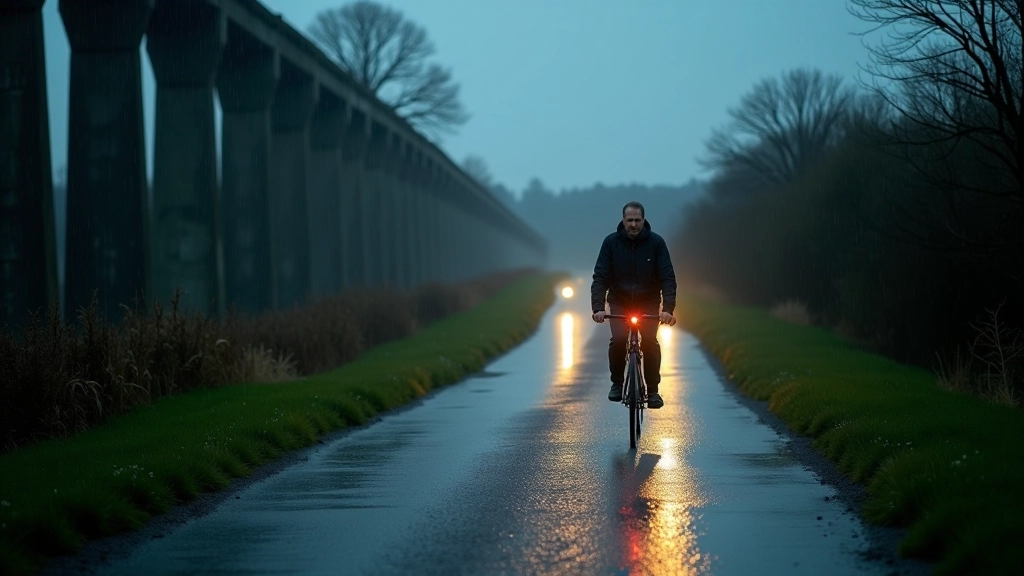
The greenway surface is generally good, but wet tarmac is slippery. Your brakes need more distance to work. Ease off the throttle — so to speak — and give yourself extra stopping distance. The viaduct sections can get genuinely slick because they're older concrete. Slow down noticeably there.
Wind
The exposed sections, especially heading toward Dunbrody, can get windy. It doesn't affect your ability to stop, but it does affect balance and direction. If it's properly windy, ride a bit more cautiously and avoid riding side-by-side.
Low Light & Overcast Days
It's easy to assume people can see you. In winter months or on genuinely grey days, your lights should be on. Even at 3 PM. Visibility drops fast in tree-covered sections. Your lights take seconds to switch on.
Making the Greenway Better for Everyone
The trail's popularity is brilliant — it means more people are outside, moving, enjoying what the Waterford to New Ross corridor has to offer. But popularity also means we've all got to be thoughtful about sharing the space.
Most of this stuff becomes automatic after a few rides. You'll develop a feel for speed, know which sections get busy at which times, and you'll naturally read the trail better. The first few times, it might feel like you're overthinking it. You're not. You're building good habits.
A bell that works, lights that are visible, brakes you trust, and speed that matches conditions — that's 90% of trail safety. Add a bit of awareness and consideration for the people around you, and you'll have a safe, enjoyable experience every single time you ride. So will everyone else.
Ready to Ride Safely?
Check out our other guides to get the most from the greenway experience.
Getting Started on the Greenway
Disclaimer
This guide is educational and informational only. It's based on best practices for shared-use trails and general cycling safety principles. Individual circumstances vary, and local trail regulations may differ. Always follow posted signs and local guidelines. We're not liable for any injuries or incidents that occur on the trail. Ride at your own risk and use common sense. If you're unsure about your bike's condition or your riding ability, consult with experienced cyclists or a local bike shop before heading out.